
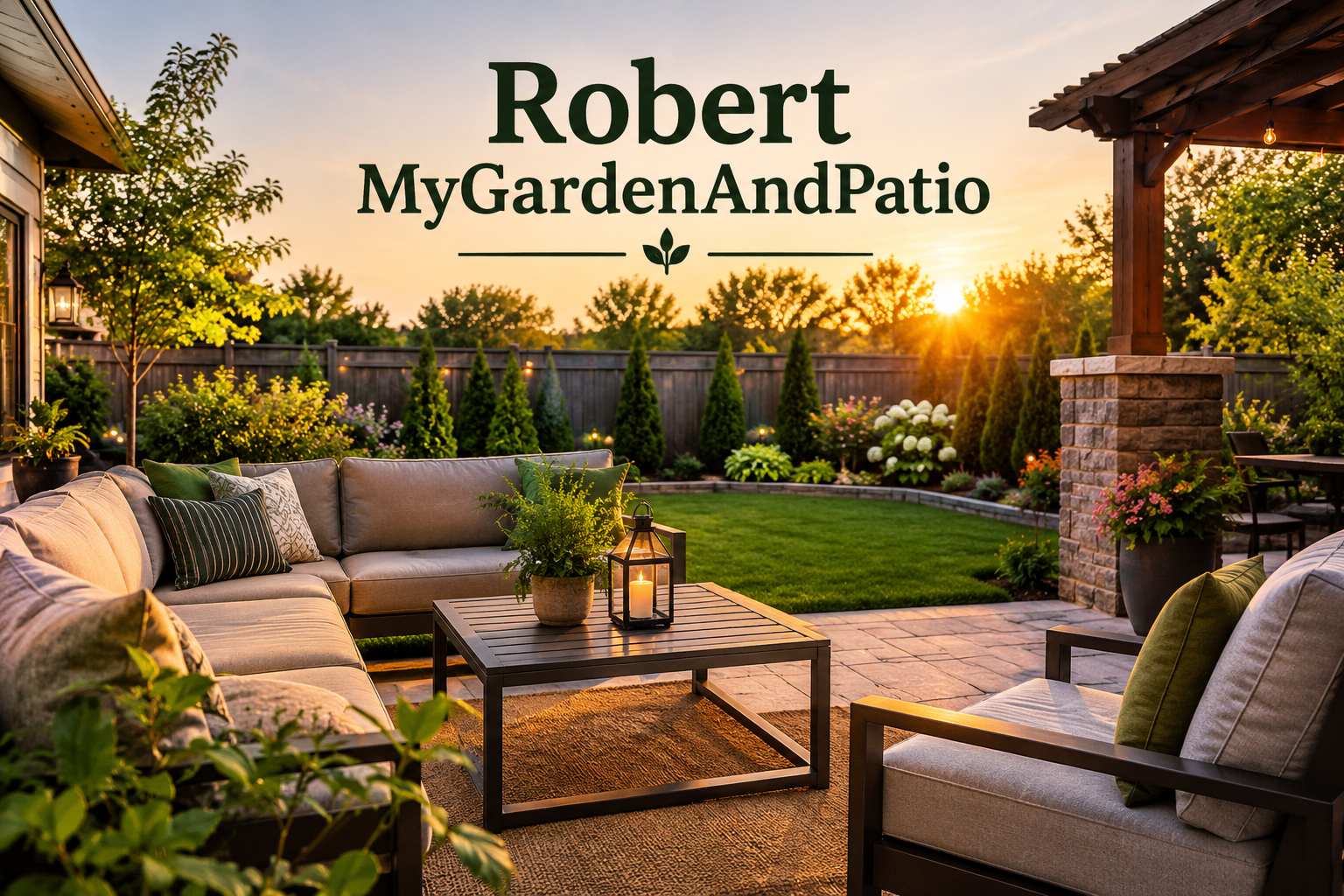
Outdoor spaces can become more attractive, comfortable, and practical with thoughtful planning. A well-designed garden or patio provides room to relax, spend time with family, and enjoy nature without requiring expensive changes. However, creating and maintaining these spaces can also involve wasted materials, excessive water use, and frequent replacements.
Robert mygardenandpatio is the focus of this article, which explores ideas for improving outdoor areas while considering sustainability, durability, and everyday needs. From choosing environmentally conscious materials to making better use of available space, these approaches can help create outdoor environments that remain useful and appealing over time.
What Is Robert MyGardenAndPatio?
Robert MyGardenAndPatio can be explored as a topic centered on garden improvement, patio design, and practical outdoor living. It provides an opportunity to discuss how homeowners can make outdoor areas more welcoming without relying on unnecessary spending or complicated renovations.
A successful outdoor space does not always require a large garden or an expensive patio installation. Even a small yard, balcony, or paved area can become more functional through careful arrangement, suitable plants, and durable materials.
The main idea is to balance appearance with practical considerations. Good outdoor planning takes account of available space, local weather, maintenance requirements, and the needs of the people using the area.
Why Sustainable Outdoor Living Matters
Traditional garden and patio projects can generate waste when materials are discarded unnecessarily or replaced before the end of their useful life. Frequent watering, unsuitable plants, and poorly planned installations can also increase resource consumption.
Sustainable outdoor living offers a more thoughtful approach. It encourages the use of long-lasting products, responsible material choices, and gardening methods that work with the local environment.
For example, repairing an existing patio may be more practical than removing it completely. Reusing containers as planters can reduce waste, while selecting plants suited to the local climate may lower watering requirements.
These choices demonstrate that sustainability does not have to mean sacrificing comfort or visual appeal. With suitable planning, environmental responsibility and attractive design can work together.
Choosing Sustainable Materials for Gardens and Patios
Material selection plays an important role in the appearance, durability, and environmental impact of an outdoor project. The most suitable option depends on the intended use, local climate, budget, and maintenance needs.
Reclaimed Wood and Reused Materials
Reclaimed wood can add natural character to garden seating, raised beds, decorative borders, and selected patio features. Reusing suitable timber may also reduce demand for newly manufactured materials.
However, reclaimed wood needs careful inspection before use. Its condition, previous treatment, and resistance to moisture should be considered, especially when it will come into contact with soil or people.
Other reusable materials, including suitable bricks, stone pieces, and containers, can also support creative garden improvements.
Durable Paving and Patio Surfaces
Patio surfaces should be selected according to durability, drainage, maintenance, and appearance. Reclaimed paving stones may be useful for certain projects, while responsibly sourced stone and durable paving products can provide long service lives.
Proper installation matters just as much as the material itself. A poorly prepared base or inadequate drainage can lead to uneven surfaces, standing water, and costly repairs.
Choosing suitable materials from the beginning can help reduce avoidable replacements and make outdoor areas easier to maintain.
Practical Garden Design Ideas
A functional garden combines attractive features with everyday convenience. A clear layout helps people understand how different areas will be used and makes routine maintenance more manageable.
Make the Most of Available Space
Small gardens can benefit from vertical planters, compact seating, and carefully positioned containers. Larger spaces may accommodate separate areas for planting, dining, relaxing, or entertaining guests.
Keeping pathways clear improves accessibility and helps prevent the garden from feeling overcrowded. Containers can also be rearranged when seasonal changes or new needs arise.
Choose Plants Suited to the Local Climate
Native plants and other climate-appropriate varieties can be useful choices because they are adapted to local growing conditions. Depending on the species and location, they may require less watering or maintenance once established.
A mixture of flowering plants, shrubs, and ground cover can provide visual variety throughout the year. Plants that support local pollinators may also contribute to a healthier garden ecosystem.
Before selecting plants, gardeners should consider sunlight, soil conditions, rainfall, and the mature size of each variety.
Patio Improvements That Balance Style and Function
A patio can serve as an outdoor dining area, a quiet reading corner, or a comfortable place for social gatherings. Its layout should reflect how the space will be used rather than focusing only on decoration.
Create Comfortable Seating Areas
Weather-resistant seating, practical cushions, and a small table can make a patio more inviting. Furniture should fit the available area and leave enough room for people to move around comfortably.
Reusing existing furniture is another option worth considering. A suitable chair or table may need only cleaning, repair, or a protective finish to become useful again.
Add Lighting and Natural Details
Outdoor lighting can improve visibility and extend the usefulness of a patio during the evening. Energy-efficient lighting, including suitable solar-powered options, may reduce electricity use where conditions allow.
Potted plants, natural textures, and simple decorative features can soften paved spaces without creating excessive clutter. The most effective arrangements often combine a few useful elements rather than filling every available corner.
Water Conservation and Garden Maintenance
Water management is an important part of sustainable gardening. Excessive watering can waste resources, while insufficient watering may damage plants and reduce their growth.
Collecting rainwater where permitted and practical can provide an alternative source for watering suitable garden plants. Drip irrigation and targeted watering can also help deliver moisture closer to plant roots.
Mulching around suitable plants can help retain soil moisture and reduce weed growth. The correct mulch should be selected for the plant type and local conditions.
Regular maintenance makes these measures more effective. Checking irrigation systems for leaks, removing damaged plant material, and adjusting watering according to weather conditions can prevent unnecessary waste.
Affordable Ways to Improve an Outdoor Space
A sustainable garden or patio does not need a complete makeover. Small, carefully chosen improvements can make a noticeable difference without putting unnecessary pressure on a household budget.
Several practical options include:
- Repairing existing paving instead of replacing the entire surface.
- Reusing containers, pots, and suitable garden furniture.
- Growing plants from seeds or cuttings when appropriate.
- Refreshing an outdoor area with pruning, cleaning, and rearrangement.
- Selecting durable products that suit the climate and intended use.
- Planning purchases before starting a project to reduce surplus materials.
Prioritizing repairs and essential improvements can help control costs. It also allows homeowners to spread larger projects over time rather than completing everything at once.
Common Mistakes to Avoid
Even well-intentioned outdoor projects can become expensive or difficult to maintain when important details are overlooked.
One common mistake is choosing materials based only on appearance. A product that looks attractive in a showroom may not withstand local weather or suit the intended application.
Another problem is selecting plants without considering their mature size, sunlight requirements, or water needs. This can lead to overcrowding and additional maintenance.
Poor drainage is another concern, particularly around patios and paved walkways. Water that collects in the wrong places may damage surfaces or affect nearby planting areas.
Finally, sustainability claims should be evaluated carefully. Recycled content, durability, transport distances, and expected product life can all influence the overall environmental impact of a purchase.
How to Plan a Sustainable Garden or Patio Project
A clear plan helps keep an outdoor improvement project manageable. The first step is to assess the existing space, identify problems, and determine which features are worth retaining.
Next, priorities should be established according to budget and intended use. Essential repairs, drainage improvements, and suitable planting conditions generally deserve attention before decorative additions.
Material and plant choices can then be compared based on durability, maintenance, environmental considerations, and cost. A simple layout or written list can help prevent unnecessary purchases.
After installation, regular care helps protect the investment. Seasonal inspections, timely repairs, and sensible water management can keep the outdoor area functional without requiring frequent major changes.
Conclusion
Robert MyGardenAndPatio provides a useful topic for exploring the relationship between outdoor design, practical home improvement, and sustainability. Gardens and patios can become more attractive and functional through thoughtful material selection, suitable planting, water conservation, and careful maintenance.
The most effective approach is not necessarily the most expensive one. Repairing existing features, reusing suitable materials, and planning improvements around real needs can reduce waste while making better use of available space.
By balancing appearance, durability, affordability, and environmental responsibility, homeowners can create outdoor areas that support everyday living and remain enjoyable for years to come.
FAQs
1. What is Robert MyGardenAndPatio?
Robert MyGardenAndPatio focuses on ideas for creating practical, attractive, and sustainable gardens and patio spaces.
2. How can a garden be made more sustainable?
Choose native plants, use compost, conserve water, and reuse materials to reduce waste and maintenance costs.
3. What are the best eco-friendly materials for a patio?
Reclaimed wood, recycled materials, and durable paving options can help reduce waste and create a long-lasting outdoor space.
4. How can a patio be improved on a budget?
Repurpose existing furniture, add affordable plants, use solar lights, and make small improvements instead of renovating everything.
5. How can homeowners save water in their gardens?
Collect rainwater, apply mulch, water plants early in the morning, and choose plants suited to the local climate.
Read Also: Attic Insulation Upgrades to Improve Home Energy Efficiency


