
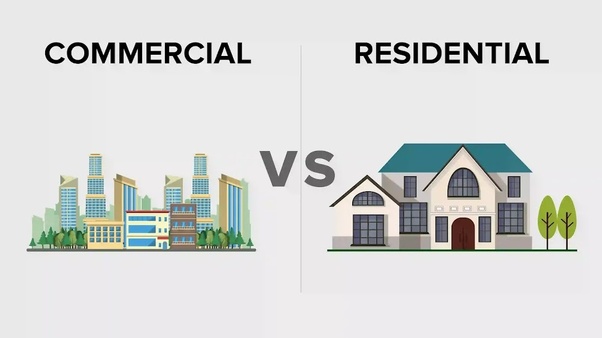
If you own property and want to market it properly, it helps to recognise one thing from the start: residential and commercial property do not respond to the same approach. They may both sit under the wider property umbrella, but the people you are trying to reach, the information they care about and the way decisions get made are often very different.
That matters because a marketing strategy that works well for a flat, family home or HMO will not necessarily work for an office, warehouse, retail unit or industrial space. If you treat them the same, you can end up with weak enquiries, longer empty periods and a listing that never quite connects with the right audience.
In the UK, the scale of both markets shows why this deserves proper attention. Average UK monthly private rents reached £1,367 in the 12 months to January 2026, while average UK house prices were £271,000 in the 12 months to November 2025. At the same time, commercial property remains highly active, with Savills forecasting average annual total returns on UK commercial property of 9.4% per annum over the next 5 years and reporting continued rental growth in several sectors.
That is why platforms such as the GoQik property platform position themselves around both sides of the market, helping owners list properties to let or for sale across residential and commercial categories while also tying in management, accounting and compliance tools.
If you are marketing residential property, here is what you should do differently from commercial property, and why it matters.
Residential marketing is more emotional
When you market residential property, you are usually selling a lifestyle as much as a building. Even if your target is a tenant rather than a buyer, people still imagine themselves living there. They want to know how the place feels, how the rooms flow, whether there is natural light, and what daily life might look like.
That means your marketing should focus on things such as:
- presentation
- warmth and practicality
- local amenities
- transport links
- outside space
- school catchments
- storage
- condition and finish
In residential listings, photos tend to carry a lot of weight. A bright kitchen, a tidy garden or a well-staged living room can do more than a long paragraph ever will. Your wording should also feel accessible and clear. You are helping people picture a home, not asking them to analyse an asset line by line.
Commercial marketing is more decision-led
Commercial property is different because the person viewing the space is usually making a more practical business decision. They may still care about first impressions, but emotion is not normally the main driver.
Instead, commercial occupiers and investors tend to focus on questions such as:
- does the space fit the business use
- what is the rent or price per square foot
- how flexible is the lease
- what are the service charges
- what are the rates and running costs
- is there parking or loading access
- what is the ceiling height or floorplate
- how good is the location for staff, customers or logistics
So if you are marketing a commercial unit, you need to be much more precise. General language like “great opportunity” or “fantastic space” is not enough on its own. People want usable facts that help them decide quickly whether the property is worth pursuing.
This matters even more in a market where demand can be very location- and sector-specific. Savills’ 2026 outlook notes that office demand remains steady but focused, while prime rental growth across commercial sectors is being supported by limited new supply.
Your target audience changes the whole message
With residential property, your audience may include first-time buyers, families, professional tenants, students or landlords looking for an investment. Each group notices slightly different things, but the message is still usually built around everyday use.
With commercial property, the audience can vary far more by sector. A retailer, office occupier, warehouse operator and investor are not looking for the same benefits. Even within offices, the priorities of a small local business may be very different from those of a larger corporate occupier.
So before you market anything, ask yourself who the listing is really for.
If it is residential, your copy might focus on comfort, convenience and lifestyle.
If it is commercial, your copy might focus on specification, location performance, flexibility and business suitability.
That one shift can make your marketing far more relevant.
Residential listings need stronger visual storytelling
For residential property, visuals do a lot of the persuasive work. You should aim for photography that helps people imagine moving in.
That usually means:
- clean, bright rooms
- good natural light
- uncluttered spaces
- flattering but accurate angles
- key features shown early in the photo order
Floorplans matter too, but in most residential listings they support the photos rather than lead the message.
With commercial property, the visual approach is usually more functional. Good images still matter, but many occupiers will want to see layout, frontage, access points, warehouse depth, office fit-out, parking, delivery access or surrounding context. In other words, the photos need to answer practical questions, not just create a good impression.
Residential copy should feel human and easy to scan
When you write residential marketing copy, keep it clear and natural. You are usually speaking to someone who is browsing multiple options and making quick judgments.
You should highlight:
- number and type of rooms
- standout features
- condition
- location benefits
- who the property may suit
The tone can be slightly warmer because the end user is imagining a personal move.
Commercial copy should be more structured. You can still write in plain English, but the listing needs enough detail to support business decision-making. Measurements, lease terms, permitted use, EPC information, service charge details and location advantages often matter more than polished phrasing.
Pricing psychology works differently
In residential property, pricing has a strong emotional effect. If you overprice a home or rental, you can reduce early momentum and make the listing feel stale. Buyers and tenants tend to compare based on overall appeal and whether the price “feels right” versus similar homes nearby.
In commercial property, pricing is more analytical. Prospective occupiers and investors are more likely to compare rent, yield, incentives, fit-out costs and operational overheads. They are often assessing whether a unit works financially, not just whether it looks appealing.
That means residential pricing strategy is often about market perception and broad comparables, while commercial pricing strategy usually needs sharper attention to specification, local demand and occupational cost.
The follow-up process should change too
If you are marketing residential property, speed matters. Good enquiries can cool off quickly, especially in busy rental markets. You want a simple process for viewings, quick replies and clear qualification of interest.
If you are marketing commercial property, the cycle is often slower and more layered. You may need to handle more detailed questions, share documents, discuss lease terms, and speak to multiple decision-makers before anything moves forward.
That means your marketing should not stop at the listing itself. The supporting information you prepare in advance should match the type of property.
For residential, that could mean viewing slots, tenancy information and basic property details.
For commercial, that could mean floor areas, EPC, lease details, service charge information, planning use and fit-out notes.
Compliance and information handling matter in both, but differently
Both property types need accurate information, but the emphasis changes.
For residential property, compliance often ties closely to letting obligations and marketing transparency. Owners need to think about documents, safety requirements and the practical readiness of the property before it goes live.
For commercial property, buyers and occupiers may focus more heavily on lease structure, use class, repair obligations, business rates and occupation costs. Incomplete information can slow down the whole process because commercial decisions often involve more due diligence up front.
Final thoughts
If you are marketing residential property, your job is usually to make the property feel desirable, liveable and easy to understand. If you are marketing commercial property, your job is to make the opportunity clear, credible and commercially useful.
That is the real difference.
Residential marketing is usually driven more by lifestyle, presentation and emotional fit. Commercial marketing is usually driven more by suitability, figures, specification and business practicality.
Once you understand that, your listings become more focused. You stop using the same format for every property and start giving the right audience the information they actually need. That is usually when marketing begins to work much better.