
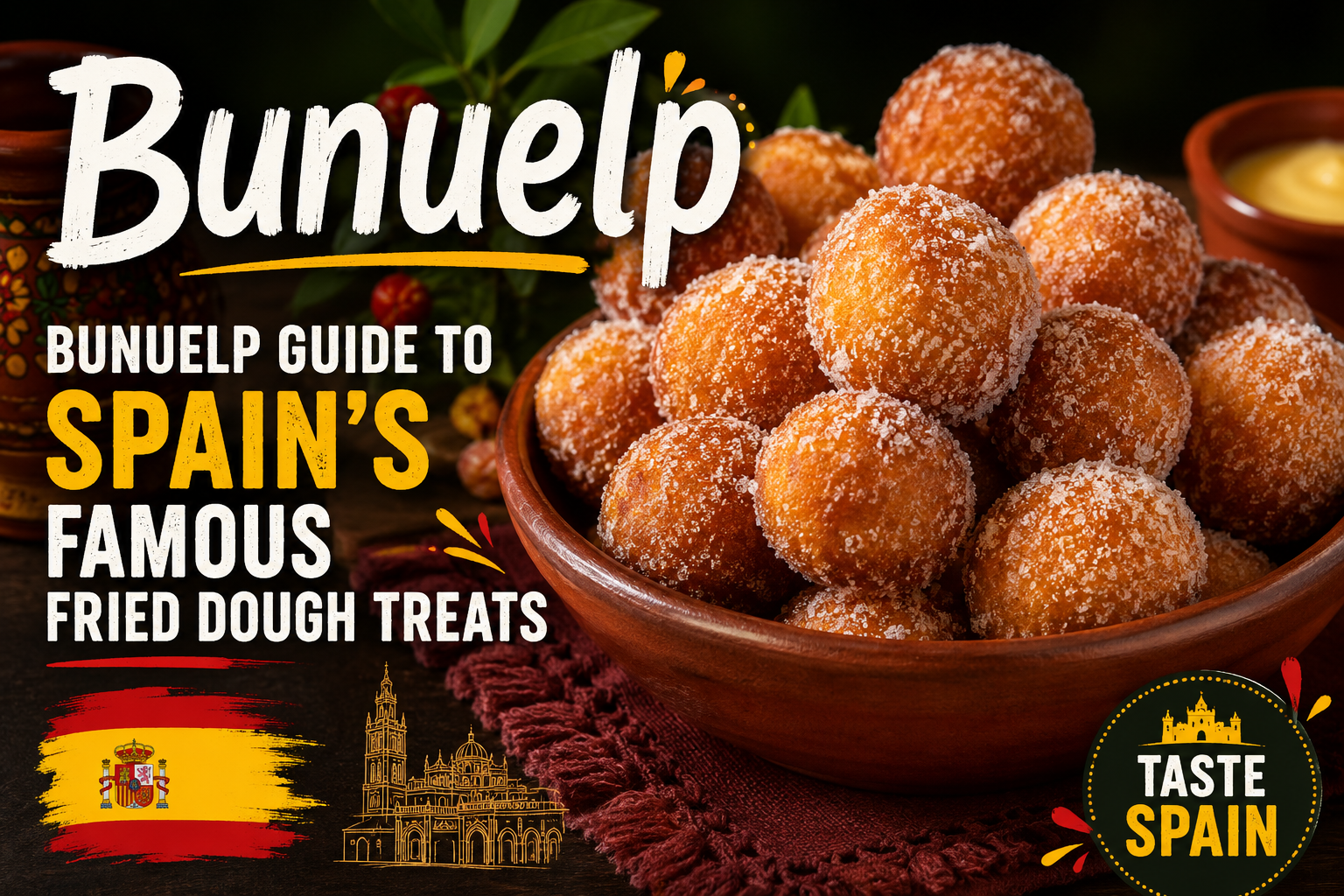

If you searched for Bunuelp, you are not alone. Many people type this word when they want to learn about buñuelos, the famous fried dough treats from Spain. Bunuelp is generally considered a spelling mistake or search variation rather than the official name. Even so, it leads to one of Spain’s most loved traditional desserts. In this guide, you will discover what Bunuelp means, where these treats come from, how they are made, and why people enjoy them around the world.
What Is Bunuelp
Bunuelp is a search term that usually refers to buñuelos, a traditional Spanish fried dough pastry. Many internet users accidentally spell the word as Bunuelp because the original Spanish spelling includes the special letter “ñ.” Although the spelling is different, both terms point to the same delicious treat. Therefore, anyone searching for Bunuelp is normally looking for information about Spanish fried dough balls. Today, this search term has become surprisingly common online.
The History Behind Bunuelp
The story of Bunuelp begins with the long history of Spanish buñuelos. These sweet fried treats have been enjoyed in Spain for hundreds of years. Different cultures influenced Spanish cooking, and buñuelos became part of many local traditions. Over time, families passed their recipes from one generation to another. As a result, the dessert remains popular during festivals and special celebrations.
How Bunuelp Is Made
Making Bunuelp is simple because the ingredients are easy to find. Most recipes use flour, eggs, milk, butter, sugar, baking powder, and a little salt. The dough is mixed until smooth and then dropped into hot oil. After frying, each piece becomes golden, light, and crispy on the outside. Finally, people cover the treats with powdered sugar or fill them with sweet cream.
Why Bunuelp Is So Popular
People love Bunuelp because it has a soft inside and a crispy outside. The sweet flavor makes it enjoyable for both children and adults. In addition, it can be served warm during family gatherings or holiday celebrations. Many visitors to Spain also enjoy tasting fresh buñuelos from local bakeries. Because of this, Bunuelp continues to attract interest from travelers around the world.
Different Types of Bunuelp
Although the basic recipe stays the same, there are many different versions of Bunuelp. Some are filled with vanilla cream, while others contain chocolate or custard. Certain regions even add fruit flavors or sweet jams inside the dough. Meanwhile, some people prefer plain fried dough with only sugar on top. Every version offers a unique taste while keeping the traditional recipe alive.
When People Eat Bunuelp
Bunuelp is often connected with Spanish festivals and family celebrations. Many people prepare these treats during holidays because they are easy to share. In Spain, they are especially popular during religious festivals and seasonal events. Families also enjoy making them together at home during weekends. Therefore, Bunuelp is more than just a dessert because it brings people together.
Bunuelp Around the World
Although Bunuelp comes from Spain, similar fried dough treats exist in many countries. Mexico, Colombia, the Philippines, and several Latin American nations also have their own versions of buñuelos. Each country adds local ingredients and cooking styles to create different flavors. Even so, the idea of soft fried dough remains the same everywhere. This worldwide popularity has helped more people discover Bunuelp online.
Is Bunuelp Healthy
Like most fried desserts, Bunuelp should be enjoyed in moderation. It contains flour, sugar, and oil, which increase calories and fat. However, eating it as an occasional treat can still be part of a balanced diet. Some people also prepare lighter versions by using less sugar or baking instead of frying. This allows families to enjoy the traditional flavor while reducing extra calories.
Tips for Making Bunuelp at Home
If you want to prepare Bunuelp, begin with fresh ingredients and measure everything carefully. Next, make sure the oil reaches the correct temperature before frying the dough. Hot oil helps create a crispy outside without making the treats greasy. After frying, place them on paper towels to remove extra oil. Finally, serve them warm with powdered sugar, cinnamon, or your favorite filling.
Common Mistakes When Cooking Bunuelp
Many beginners make simple mistakes while preparing Bunuelp at home. One common problem is using oil that is too cold, which makes the dough absorb extra oil. Another mistake is making the dough too thick or too thin. In addition, frying too many pieces at once lowers the oil temperature. Therefore, cooking small batches usually gives the best results.
Fun Facts About Bunuelp
Many people searching for Bunuelp do not realize it is actually a spelling variation of buñuelos. The original Spanish word uses the letter “ñ,” which can be difficult to type on some keyboards. Because of this, search engines often receive many alternative spellings. Despite the spelling differences, people are looking for the same famous Spanish dessert. This makes Bunuelp an interesting example of how search habits develop online.
Final Thoughts
Bunuelp is not the official name of Spain’s famous fried dough treats, but it has become a popular search term on the internet. In most cases, people using this spelling want to learn about traditional Spanish buñuelos. These sweet pastries continue to delight families with their crispy texture and soft center. Whether you buy them from a bakery or prepare them at home, they offer a delicious taste of Spanish tradition. If you searched for Bunuelp, you now know exactly what the term means and why it has become so popular.
Read Also: Daskusza Exploration Meaning, Journey, and Insights